
Office Address
123/A, Miranda City Likaoli Prikano, Dope
Phone Number
+0989 7876 9865 9
+(090) 8765 86543 85
Email Address
info@example.com
example.mail@hum.com





123/A, Miranda City Likaoli Prikano, Dope
+0989 7876 9865 9
+(090) 8765 86543 85
info@example.com
example.mail@hum.com
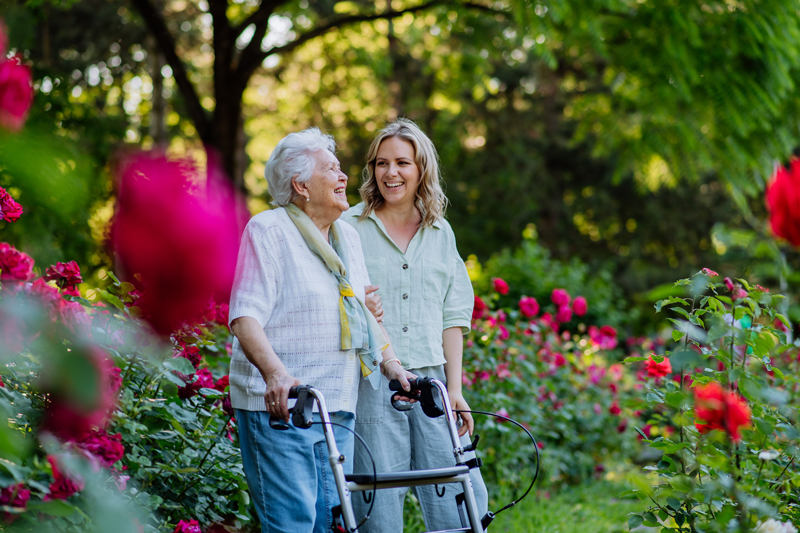
One of the most important goals many families share is helping an aging loved one maintain independence at home. Most older adults want to remain in familiar surroundings for as long as possible, and home often gives them the comfort and security they need.
At the same time, many families wonder how to support a loved one’s independence without putting safety at risk. The answer lies in the fact that with the right approach, elderly independence can be ensured in such a way that the elderly person can be active and comfortable in life.
If you and your family are trying to help an aging relative, the following strategies can be helpful in supporting elderly independence in an effective way.
For many elderly individuals, independence is closely related to dignity and quality of life. The capacity to make decisions and be actively involved in the management of daily activities is critical.
Supporting elderly independence does not mean an older adult has to do everything alone. It means creating an environment that feels safe, manageable, and respectful. In many cases, independence can be preserved without disrupting the comfort of home.
A safe home is one of the best ways to support independence in old age. Even minor safety issues can make life more difficult for seniors, especially when physical abilities such as mobility, balance, or vision change with age. Families can begin by considering the spaces where seniors spend the majority of their time, including bathrooms, staircases, kitchen areas, and entryways.
A few simple changes can make a big difference:
Physical movement and light exercise are powerful ways to help the elderly retain their independence. Movement can help them balance, be flexible, have good circulation, and be confident walking, standing up, or navigating their home.
Movement shouldn’t be strenuous. Simple motions can go a long way in helping the elderly person in your life retain their confidence on their feet. When older adults keep moving in manageable ways, it can help them stay confident and more independent in daily life.
A routine can make life much easier, as it helps create a sense of order in a chaotic world. This is particularly important in supporting elderly independence, as a routine helps keep things organized, which in turn helps reduce stress. This stress reduction is important, as stress can come from missed meals, medications, and routines, which are all important considerations in supporting elderly independence without taking over.
For example, a family might arrange a routine of reminders to take medication, keep important items in familiar places, and encourage a routine of mealtimes and sleeping times. This helps make life easier, but still allows the elderly individual to make decisions in their lives.
Emotional well-being is another key component of independent living for seniors. When seniors feel isolated, they may become less motivated, less active, and less engaged in daily life. When seniors stay socially connected, it can have a positive effect on mood, motivation, and overall well-being.
Social interactions don’t have to be drawn out, over-organized, or complicated. Visits from family, phone calls from loved ones, spending time with neighbors, or providing companion care may be all it takes to keep seniors socially connected to society. Everybody’s social battery is different, even in our older years. Sometimes, social connection is just as vital to seniors as their physical safety.
Technology can be a great way to support the independence of the elderly when it is simple enough for the elderly to use and when the technology is appropriate for the needs and abilities of the user. Technology such as medical alerts, reminders for medication, and video calls can be very helpful in simplifying home life for your elderly relative while providing comfort and peace of mind for the family.
The simple truth is that technology has to be simple. It has to be stress-reducing, not stress-causing.
Many families worry that bringing in outside help means a loved one is losing independence. In reality, the right kind of support often helps protect it. When an older adult starts having trouble with bathing, cooking, housekeeping, getting to appointments, or keeping up with daily routines, those challenges can make it harder to remain safely at home. That is where in-home care can make a real difference.
With the right assistance, seniors can continue living in familiar surroundings while still getting help with the parts of the day that have become difficult. Instead of forcing a move or relying entirely on family members, in-home care can provide just enough support to make daily life safer, more manageable, and less stressful. In many cases, that support is exactly what allows elderly independence to continue.
Some types of support that can be helpful include:
One of the best ways to ensure the independence of seniors is by involving the elderly in the discussion regarding the type of care they need and the routines they want. It will be natural for your family to want to rush in and solve the problems at hand. However, it’s vital to ensure the elderly feel included in the decision-making process.
Discuss the type of care they need, the type of routines they want, and the concerns they may have about staying at home. When older adults are included in decisions, they are often more comfortable with the support being put in place.
Families often wait too long before seeking extra support. It is important to look out for signs that may signal the elderly person is facing difficulties in their daily life. Problems with bathing, dressing, cooking meals, housekeeping, and taking medication can be signs that your loved one is in need of support. An increase in the number of falls, withdrawal from activities, and forgetfulness can be signs that the elderly person is facing difficulties in their life.
By recognizing these signs early, it is easier to provide support while still maintaining your loved one’s independence.
Helping the elderly maintain independence at home is not about getting everything perfect; it is about making changes, promoting good habits, and knowing when additional support is required.
With the proper plan in place, elderly independence is a very realistic and attainable goal for many families, and small changes can have a big impact, especially with the proper support in place.
Get in touch with Change Inc. today to discover tailored in-home care solutions that support safety, independence, and quality of life.