
Office Address
123/A, Miranda City Likaoli Prikano, Dope
Phone Number
+0989 7876 9865 9
+(090) 8765 86543 85
Email Address
info@example.com
example.mail@hum.com





123/A, Miranda City Likaoli Prikano, Dope
+0989 7876 9865 9
+(090) 8765 86543 85
info@example.com
example.mail@hum.com
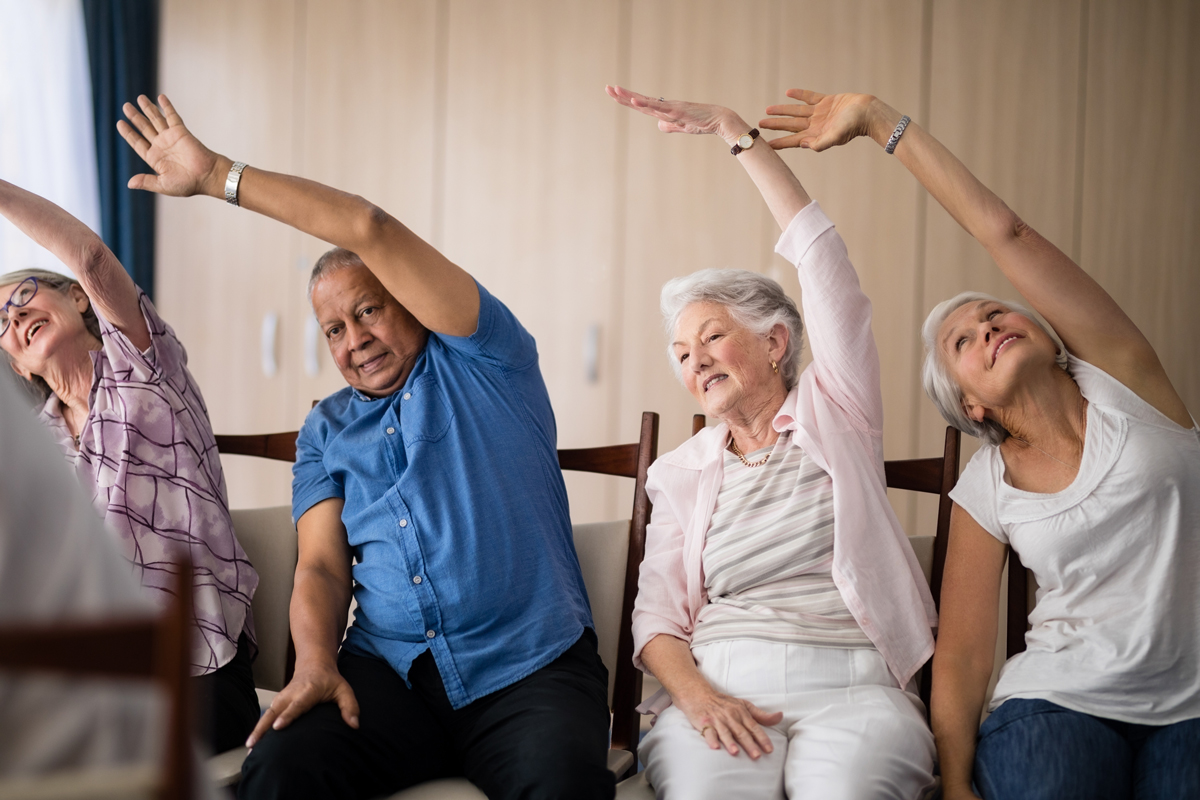
Gentle Ways to Keep Moving, Right From Where You Are
Exercising does not have to mean that you need to be on your feet or do much exercise, like going to the gym to use the treadmill. The truth isyou can do many of the best exercises right from a chair in your living room.
If you or someone in your life is experiencing problems with joint pain, fatigue, and/or balance in their life, I would highly recommend that you look into chair exercises. They are very simple, non-threatening, and an excellent way to be ‘strong, supple, and balanced without the fear of taking a fall and/or overdoing it. And the best thing about them: they can be accomplished in one’s own home
In order for you to do this exercise routine, you only need a good chair where you can lean. The best thing about this routine is you only need a few minutes! The exercises are very helpful for your circulation, flexibility, and posture, as well as your mood.
Exercise becomes all the more important as we grow older. Exercising regularly helps one maintain flexibility, strength, blood flow, balance, and even mental health. However, conventional exercise regimens aren’t very practical or convenient.
Even a short seated exercise routine several times a week can give older individuals more confidence in their ability to move.

Before starting, here are a few things to have on hand:
It’s always a good idea to check in with a healthcare provider before beginning a new exercise routine, especially if there are any existing conditions or concerns.
You don’t have to start with all of these. Start with a few and gradually increase the list as you are ready.
What it does: Core strength and hip flexibility
This is an excellent way of warming up your body and getting your blood flowing. To do this exercise, sit up straight and raise each knee in turn, as though you are marching in place. You can also move your arms in time. This exercise is all about maintaining your position in your chair.
Aim for: 10–15 times on each leg
Helps with: Shoulder movement & upper body strength.
Stretch your arms straight out to the sides at shoulder height. Move your arms in small circles forward, then reverse direction and move them in small circles backwards. This action serves to loosen the shoulders.
Aim for: 10 each way
Helps with: Ankle flexibility and circulation
Seated, tap your toes on the floor a few times, then move on to tapping your heels. Doing so helps stimulate your lower legs, which can be especially important if you sit for long periods of time.
Aim for: 10–15 taps of each
Helps with: Thigh strength and knee mobility
Sit up straight and slowly extend one leg out in front of you until it’s straight. Hold it for a couple of seconds before gently lowering it back down. This strengthens your quadriceps and supports better mobility when standing.
Aim for: 10–12 times per leg
Helps with: Posture and upper body mobility
Reach both arms up toward the ceiling as high as you comfortably can. Hold that stretch briefly, then release and bring your arms down. This helps improve posture and gently stretches the back and shoulders.
Aim for: 3–5 times
Helps with: Core strength and waist flexibility
Now, raise one arm above your head and move your body to the other side, feeling the stretch in your side. Bring your body back to the center position and then move to the other side.
Aim for: 5–8 each side
Helps with: Tension relief and shoulder mobility
Roll your shoulders forward in circular motions and then reverse and go backwards. This simple stretch is great to loosen the muscles of the neck and shoulder area after sitting for long periods of time.
Aim for: 10 total rolls
Helps with: Lower leg circulation
Raise one of your legs slightly forward and move your foot from heel to toe, as though you were pushing the gas pedal of your car. This is done in order to stimulate your calf muscles and avoid stiffness in your lower legs.
Aim for: 10–12 taps each foot
Helps with: Chest and arm strength
Elevate your hands in front of your chest. Push your hands as if pushing an invisible wall. This exercise is helpful to strengthen your upper body. This can also help you to move your arms to reach something.
Aim for: 10–15 slow presses
Helps with: Joint mobility and fine motor skills
Extend your arms straight out before you, then move your wrists in a circular motion first one way, then the other. This will loosen up your wrists and hands. This is very helpful if you have to open jars or use utensils.
Aim for: 10 each way
Helps with: Flexibility & Reducing Stiffness
Lift one foot off the ground and gently turn your ankle in slow circles. Switch directions halfway through and then switch to the other foot. This helps loosen the ankles and prevent cramping or stiffness in the ankles.
Aim for: 10 each foot
Helps with: Lower leg strength and blood flow
With your feet flat on the floor, lift your heels so that only the ball parts of your feet are in contact with the floor. Lower your heels slowly. The exercise helps increase the strength of your calf muscles as well as your circulation.
Aim for: 10–15 raises
Helps with: Neck tension and flexibility
Sit comfortably, turn your head slowly to one side, holding for a few seconds, then return to the middle position by turning your head to the other side. This will relieve any tightness in the neck muscles.
Aim for: 3–5 times each side
It is important to avoid the circular motion of your neck while doing the stretches. Instead, you need to perform slow, controlled side-to-side and forward stretches, keeping the movement gentle and stopping if you feel any discomfort.

Try to aim for 15–30 minutes, a few times per week. You can break it up into shorter sessions if that feels better. The key is consistency, building a gentle routine that feels doable and rewarding.
Even doing just a few exercises per day can go a long way in helping seniors stay strong, steady, and engaged in daily life.
If you are caring for an aging relative in Connecticut, consider incorporating chair exercises into their routine. You can do the exercises together or gently remind them to practice on their own.
Such minor activities are important for making seniors feel in control, preventing falls, and ensuring that seniors who spend most of their time at home are emotionally well.
At Change Inc., we understand that the concept of aging in place has to do with having the feeling of dignity, safety, and support, and that involves having enough space to move around regardless of one’s abilities.
Remember that while chair exercises support strength and confidence, they are just one part of keeping seniors safe and independent at home. Many caregivers also rely on an aging-in-place checklist to help identify home safety needs, mobility considerations, and additional support that may be required over time.
If you or someone you love has a need for assistance with staying active, safe, and independent in the home, Change Inc. can help. In-home care services from Change Inc. support seniors in the state of Connecticut with activities of daily living, mobility, and companionship.
Contact us today to see how we can assist you!